
From new materials and lightweight glass to technology and craftsmanship, BeautyNavigator highlights some of the developments that caught our attention at one of luxury packaging's premier international gatherings.
LUXE PACK Monaco 2026 | Insight Report
LUXE PACK Monaco brought more than 380 exhibitors to the Grimaldi Forum across packaging, materials, design, decoration and technology. Across the conferences, Innovation Unpacked, The Portal and the show floor, the packaging brief appeared increasingly complex, with brands and suppliers balancing regulation, material efficiency and recyclability against performance, differentiation and the expectations of luxury.
Our takeaway from Monaco was not that one solution or material is replacing another. Rather, many of the developments that caught our attention sat at the intersection of constraint, technology and creative expression, with suppliers finding different ways to reconcile requirements that can sometimes appear contradictory.
Constraint Is Becoming Part of the Design Process
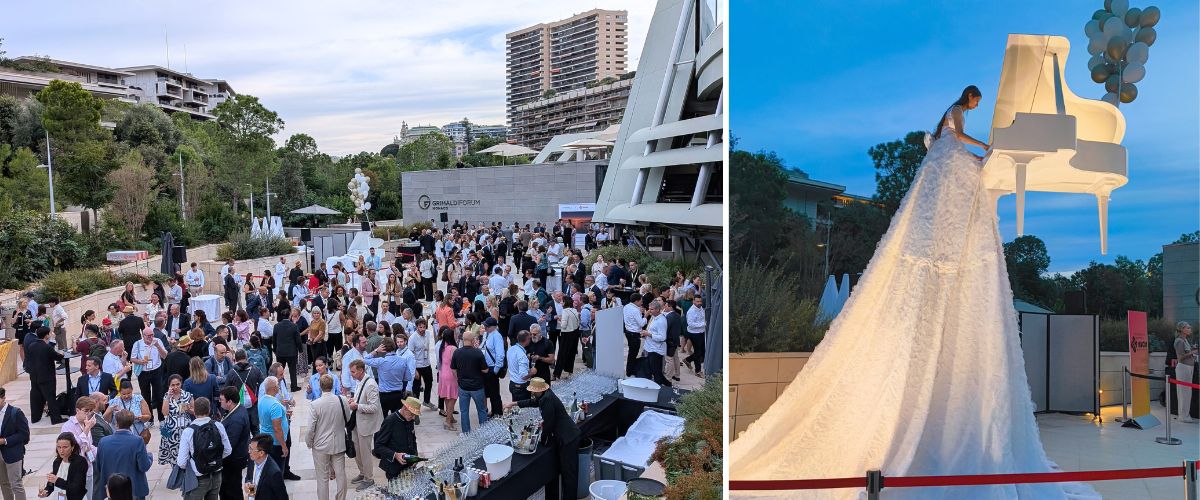
At From Constraint to Creativity, speakers from Bormioli Luigi, Aktiva Design, KURZ and VGAM Biome discussed how regulation is influencing packaging development. Europe's PPWR was an important backdrop, particularly as suppliers make long-term decisions about tooling, machinery and materials while some technical requirements continue to evolve. The more interesting implication is what happens when these constraints enter development earlier: material use, recyclability and manufacturing requirements can become design inputs rather than adjustments made to an existing package.
C-itech: Less Glass, New Forms
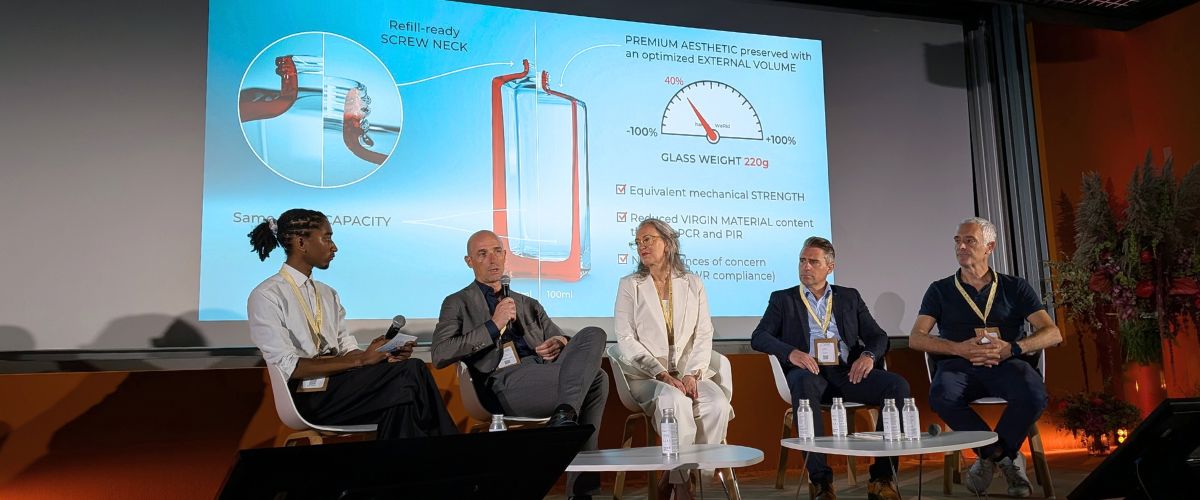
This idea was particularly visible in C-itech's thin-walled glass, one of eight innovations selected for LUXE PACK's Innovation Unpacked by packaging leaders from L'Oréal, LVMH Beauty, Interparfums, Diptyque, Diageo and Pernod Ricard. C-itech has developed a process that allows thin drawn glass to take more complex geometries, with LUXE PACK citing a 30 ml bottle weighing approximately 12 grams versus 69 grams for a comparable conventional bottle.
For fragrance, that makes lightweighting interesting beyond material reduction. If using less glass can also enable new forms, the constraint itself creates design possibilities. Heavy glass remains an established luxury code, but C-itech offers a different proposition in which technical lightness can itself reflect manufacturing sophistication. The innovation subsequently won the 2026 LUXE PACK in Green Award for Eco-Designed Packaging Innovation.
Cloud Beauty: When Packaging Enables the Formula
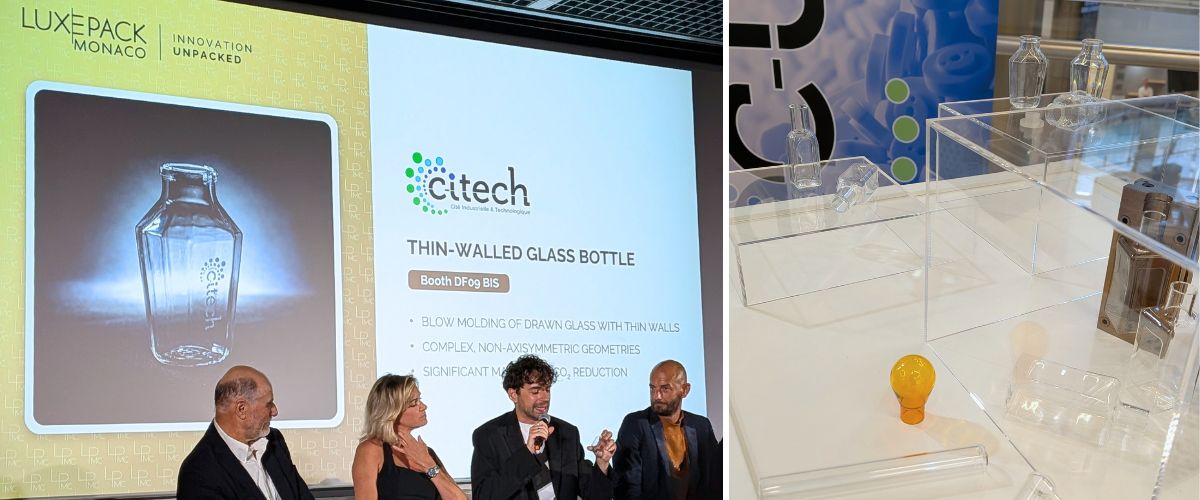
Another Innovation Unpacked selection, Cloud Beauty's TL-Tube, showed the relationship between constraint and innovation from a different angle. Its architecture accommodates ultra-soft stick formulas while reducing breakage and improving access to the product, addressing both formulation performance and residual product that can remain inaccessible in conventional formats.
For beauty product developers, the example is relevant because the package is doing more than containing a formula. Packaging engineering can influence which textures, applications and product experiences can practically be brought to market, strengthening the case for developing formula and packaging together rather than treating them as separate decisions.
Materials and Technology Are Taking on New Roles
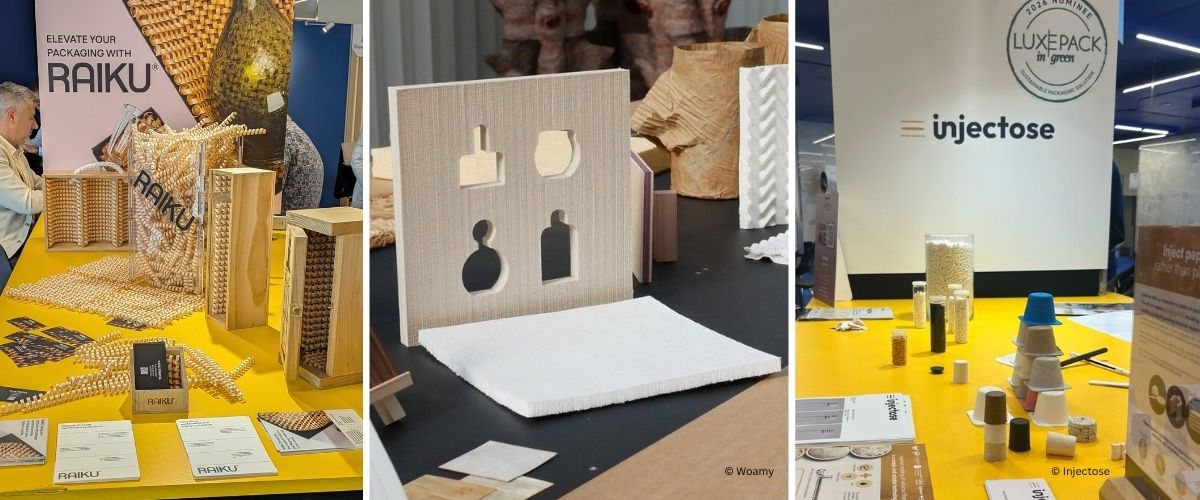
Material experimentation was highly visible in Monaco, but the more useful observation was not simply that suppliers are exploring alternatives. Injectose's FragOse uses cellulose granules to absorb and release fragrance, RAIKU turns thin wood into protective structures that also contribute to presentation, and Woamy applies cellulose to protective biofoam. At the other end of the spectrum, Awantys Group's AWYGEM industrializes semi-precious stone for functional luxury packaging components.
These are very different propositions and shouldn't be interpreted as one material trend. What connects them is the attempt to make material choice contribute more, whether through fragrance diffusion, protection, presentation or perceived value. In that sense, material innovation at Monaco was often as much about what a material can do as what it can replace.
The Portal: Extending Packaging Beyond the Physical Object
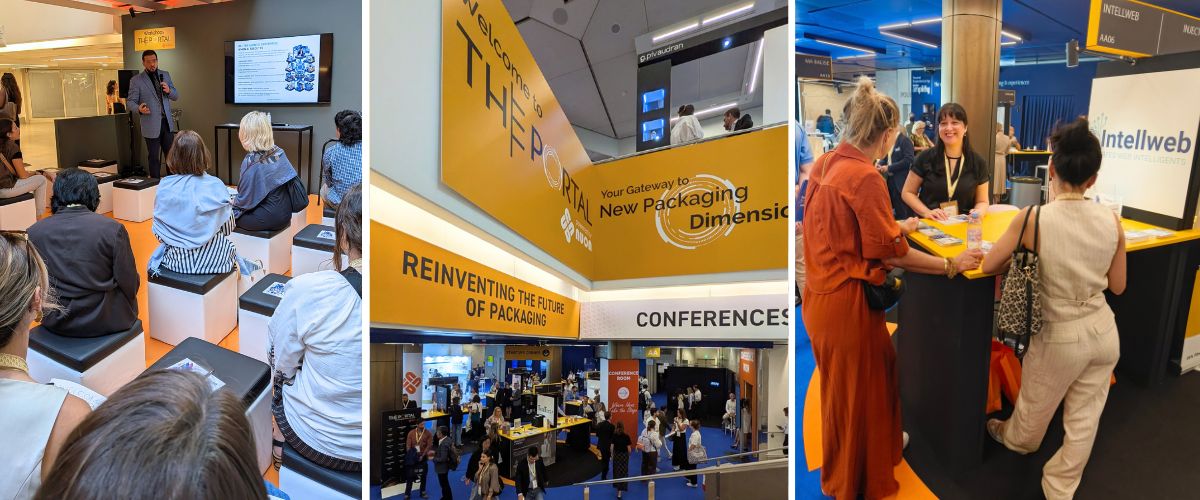
Technology provided another layer to this discussion. The Portal brought together companies working across AI, authentication, traceability, smart packaging and digital experiences, placing technologies that traditionally sit outside packaging development directly alongside manufacturers, designers and brands.
Among the technologies presented, Bosch Secure Authentication's Ovjera, also selected for Innovation Unpacked, uses a product's existing microscopic surface structure as a unique fingerprint, enabling authentication without adding a visible code or marker. Other approaches around the show included embedded RFID, optical security and digital traceability, while the broader authentication landscape also includes covert molecular and DNA-based taggants. These technologies do not necessarily compete with one another; consumer verification, supply-chain traceability, diversion control and forensic authentication can require different layers of identification.
Intellweb, also exhibiting at The Portal, focused on another part of this technological evolution through the progression from experimental AI toward operational and agentic systems for luxury brands. Taken together, the technologies represented in The Portal point toward a broader role for packaging as a connection between the physical product, its identity, supply-chain data and the consumer experience.
Luxury Still Has to Create Desire
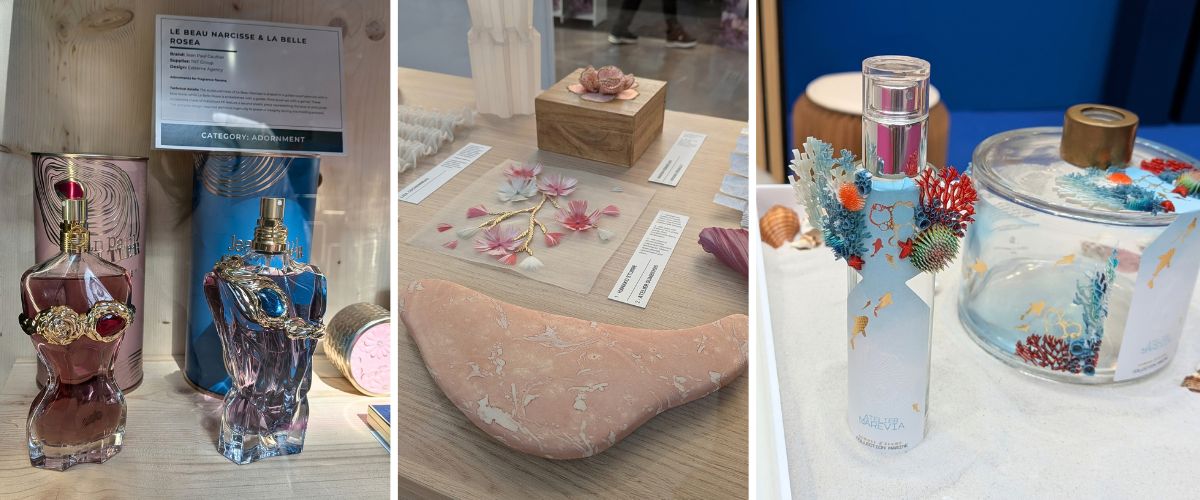
For all the discussion around regulation, efficiency and technology, Monaco also reinforced something more fundamental: luxury packaging still has to create desire. Guerlain's refillable L'Art & La Matière candle vessels combine reuse with pressed glass, lacquer and metal detailing, while La Fabrique Singulière presented embroidery, pleating and metalwork through métiers d'art. Atelier Marévia similarly demonstrated how dimensional decoration and finishing can transform fragrance and home-fragrance packaging into a more expressive object.
These examples provide an important counterpoint to lightweighting and simplification. Luxury packaging is being asked to become more efficient in some areas while remaining tactile, distinctive and emotionally expressive in others. Rather than seeing reduction and expression as opposing directions, the more useful design question may be where material and complexity genuinely add value, and where they do not.
BeautyNavigator Takeaway
Where Packaging Disciplines Meet
LUXE PACK Monaco illustrated how closely packaging disciplines are converging. Regulation can become a design input, manufacturing technology can turn lightweighting into new forms, materials can provide new functions, and digital technology can connect physical products with identity and data. At the same time, the continued emphasis on craft and decoration reinforces that technical and environmental performance do not replace the need for differentiation and desirability in luxury.
For beauty brands and suppliers, this strengthens the case for bringing packaging into product development earlier. The package increasingly influences not only how a finished product is presented, but what that product can become.